Ready to make your dream of living in Costa Rica a reality? Start your residency application today! Explore your options, gather the necessary documents, and take the first step toward your new life in paradise.
Costa Rica has become one of the most sought-after destinations for those looking to change their lifestyle, retire comfortably, or start a new business in a tropical paradise. Its political stability, friendly culture, excellent healthcare system, and abundant natural beauty attract thousands of foreigners every year. However, if you want to stay long-term and enjoy all the benefits the country offers, obtaining legal residency is essential.
This comprehensive guide will explain everything you need to know about how to get residency in Costa Rica. We will cover the different types of residency permits available, the step-by-step application process, the documents required, how purchasing property can support your residency application, the importance of attorney assistance, and realistic timelines you should expect. By the end, you will have a clear and practical roadmap to make Costa Rica your new permanent home.
Costa Rica offers several categories of residency depending on your financial situation, intentions, and lifestyle plans. The three most popular options for individuals are Pensionado (retiree), Rentista (self-funded resident), and Inversionista (investor). Each has unique requirements and benefits.
The Pensionado residency is specifically designed for retirees who receive a guaranteed monthly pension income. To qualify, you must prove a consistent pension income of at least $1,000 per month. This pension can come from Social Security, a government pension plan, or a private pension fund.
As a Pensionado resident, you are not allowed to work as a salaried employee in Costa Rica, but you are permitted to own a business or invest in local enterprises. This residency type is ideal for individuals who wish to enjoy retirement in Costa Rica while maintaining a fixed and stable income.
The Rentista category targets individuals with a steady source of income but who are not necessarily retired. To qualify, you must demonstrate a monthly income of at least $2,500 for a minimum of two years, or deposit $60,000 in a Costa Rican bank account as a guarantee.
Rentistas are allowed to operate their businesses but are not permitted to work as employees for other companies. This residency type is suitable for freelancers, entrepreneurs, remote workers without a digital nomad visa, or anyone who can demonstrate a stable income source.
The Inversionista residency is aimed at people who can make a significant economic investment in Costa Rica. The minimum investment required is $150,000, which can be placed in real estate, local businesses, or approved development projects such as tourism, agriculture, or forestry.
This category offers flexibility for those who want to contribute economically to the country while securing their legal residency. Buying property under the Inversionista category is a common and practical path for many expats.
Understanding the residency application process can help you avoid delays and costly mistakes. Below is a clear outline of the typical steps involved:
Following these steps carefully and preparing documents meticulously can significantly speed up the process.
While exact requirements vary slightly depending on the residency category, most applications require the following:
It is crucial to begin gathering and authenticating these documents well in advance. Mistakes or missing documents are among the most common reasons for delays.
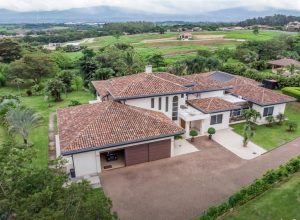
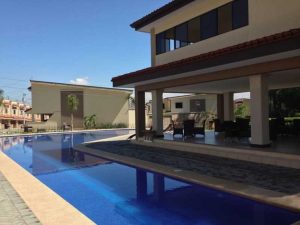
Investing in real estate in Costa Rica is not only a way to secure a place to live but also a strategic step toward obtaining residency under the Inversionista category.
Many expats choose towns like Atenas, known for its ideal climate and welcoming expat community, to buy property and begin their residency journey.
Although it is possible to handle residency applications independently, most foreigners benefit greatly from hiring an immigration lawyer. Professional legal assistance helps in many ways:
On average, the application processing time ranges from three to six months, but delays may occur due to backlog or incomplete paperwork. A knowledgeable attorney can help avoid common pitfalls and often expedite the process.
If you are considering applying for residency in Costa Rica, it is helpful to explore other vital subjects that affect your life as a resident:
These topics provide valuable context and practical advice to complement your residency plans.
Navigating the residency process can seem overwhelming at first, but with the proper support, it becomes a manageable and even exciting journey. Each step brings you closer to fully embracing the Costa Rican lifestyle, from enjoying the pura vida spirit to building a community and creating lasting memories. Don’t let paperwork or legal complexities hold you back; let us help transform your plans into a smooth and successful relocation experience. Your new life in Costa Rica awaits.
Obtaining residency in Costa Rica requires planning, patience, and sound advice, but the rewards are well worth the effort. Whether you are retiring, working remotely, or investing, Costa Rica offers multiple pathways to make your stay legal and comfortable.
Our team is ready to guide you through every step, from understanding residency options and gathering documents to finding the perfect property that supports your transition. Contact us today and take the first step toward turning your dream of living in Costa Rica into reality.

$1,900.00
Playa Flamingo, Cabo Velas, Santa Cruz, Guanacaste, Costa Rica
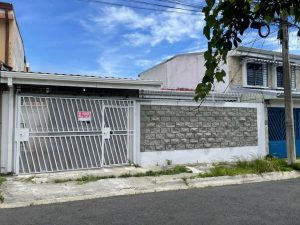
$173,000.00
Pavas, San José, San José, Costa Rica

$799,000.00
Playa Negra, Cabo Velas, Santa Cruz, Guanacaste, Costa Rica