Buying Property in Costa Rica: A Practical Guide for Atenas Buyers
Ready to embark on your dream of owning property in beautiful Atenas, Costa Rica? Contact us today for expert guidance and personalized assistance every step of the way. Your tropical paradise awaits!
Buying property in Costa Rica is a popular choice for retirees, investors, and those looking for a tropical lifestyle. Atenas, famous for its mild climate, scenic hillsides, and proximity to San José, attracts many foreign buyers.
This guide walks you through the legal basics, the step-by-step buying process, local Atenas considerations, typical fees, financing options, and common buyer questions.
Legal Overview
Can Foreigners Own Property?
Yes. Foreigners may own property in Costa Rica in the same way as Costa Rican citizens. There are no general legal restrictions that prevent non-residents from buying land, beachfront property (subject to special rules in the Maritime Zone), or condominium units. Foreign buyers commonly hold title in individual names, corporate entities, or fiduciary arrangements, depending on tax, estate planning, and liability goals.
Title Verification and Why it Matters
Title verification is one of the most critical parts of any purchase. A clean title means the seller has legal ownership, there are no liens, mortgages, usufructs, or disputes, and the cadastral (registry) description matches what you intend to buy.
Key checks your attorney should perform:
- Land Registry (Registro Nacional) search: confirm the current registered owner and look for encumbrances, liens, mortgages, or pending claims.
- Cadastral reference and boundaries: ensure the property surveyed lines match the deed; if boundaries are unclear, order a current topographic survey.
- Municipal and tax history: confirm property taxes (patente/impuesto municipal) are paid, and there are no municipal fines or building code violations.
- Utility easements and access: verify legal road access and that utility easements exist where needed.
The Importance of a Real Estate Attorney
Costa Rican transactions often involve both an attorney and a notary. The real-estate attorney (abogado) performs legal due diligence, prepares or reviews contracts, negotiates terms, and advises on structure (individual title vs. company). The Notary Public (Notario Público) is a specialized lawyer authorized to prepare the final public deed (escritura pública) and submit it for registration. In practice, buyers almost always hire a local real estate attorney to protect their interests; this is not optional for a safe purchase.
The Buying Process: From Search to Closing
Below is the usual workflow you’ll see in Atenas or elsewhere in Costa Rica.
1. Search and Market Research
- Use local real-estate brokers, MLS-style sites, and developer listings specific to Atenas. Drive the area to assess neighborhoods, roads, and services.
- Check proximity to essentials: grocery, healthcare, schools, and the access route to San José or the Pacific coast.
- If buying in a gated community or condo, review HOA rules, maintenance fees, and community financial health.
2. Make an Offer
- Offers are typically written as a purchase agreement (contrato de Compraventa, in English, “contract of sale”).
This is a legally binding agreement that sets out all the terms and conditions of the property purchase. It is typically signed after the buyer and seller have agreed on price and main conditions, but before the final closing at the notary. The contract provides both parties with legal security while due diligence, escrow arrangements, and other pre-closing steps are being completed.
- Small, non-refundable reservation deposits are common to hold a property while paperwork is completed. Larger escrow deposits follow once the contract is signed.
3. Escrow and Deposit Handling
- Many buyers use an international escrow company or a local attorney’s client trust account to hold the deposit; reputable handling reduces risk.
- Escrow terms should be explicit: conditions for refund, timelines for inspections, and the effect of failing contingencies.
4. Due Diligence Period
- Typically 30–60 days (negotiable) to perform title searches, surveys, building inspections, and to check utilities and municipal compliance.
- Hire a licensed surveyor for boundary verification; a structural inspection if a home is included; and request utility connection documentation from providers.
- Confirm that the seller can transfer the property free of encumbrances by the deed date.
5. Notary and Closing Preparation
- The closing is executed as a public deed (escritura pública) before a notary, who acts as an official authenticator.
- The buyer or buyer’s attorney usually reviews and approves the final deed text, the Escritura, prepared by the notary before signing.
- The deed is then taken to the Registro Nacional, National Registry, which makes the transfer official and public.
6. Closing and Registration
- On closing day, the deed is signed by seller and buyer (or their legal representatives) before the notary; funds are delivered via escrow or bank transfer; tax and registry payments are made.
- After the deed is presented and accepted by the public registry, the buyer becomes the registered owner. Registration typically takes between 1 and 2 weeks, depending on the workload and whether all taxes and fees have been paid correctly.
Local Considerations in Atenas
Atenas offers a high quality of life: pleasant microclimate, views, coffee landscapes, and a short drive to San José. When evaluating property here, prioritize the following.
Top Community and Neighborhood Features to Look For
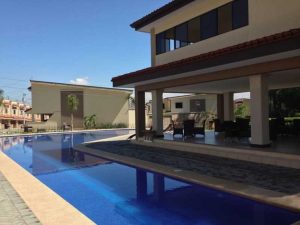
- Gated communities and private developments: Atenas has several privately developed gated neighborhoods offering security, maintenance, and sometimes shared amenities (pools, clubhouses, private roads). If a community is essential, check HOA rules, monthly fees, reserve funds, and access policies.
- Coffee finca conversions and hilltop lots: Many properties are former coffee farms converted to residential lots: great views, but check road access and slope stability.
- Proximity to town center vs. hillside privacy: Properties closer to Atenas centro give walking access to markets and services; hillside estates offer views but may have steeper, less-maintained roads.
Because community names and new developments change frequently, confirm the latest active gated communities in Atenas with a local broker or the municipal office before making a decision.
Utilities and Infrastructure
- Water: Many properties are connected to local municipal water or rural aqueduct cooperatives. Some hilltop properties rely on private wells or water storage cisterns; verify the reliability and costs of their water supply.
- Electricity: Grupo ICE (national company) provides electricity to most areas; ask about transformer capacity for larger properties or generators for homes in remote lots.
- Internet & phone: Fiber and cellular coverage have expanded in Costa Rica, but availability varies by street and elevation. Confirm actual speeds at the specific address.
- Roads and access: Private roads inside gated developments may require maintenance fees. Verify year-round access, condition during rainy months, and whether road maintenance is the HOA’s or municipal responsibility.
- Waste and sewage: Check whether the property is on municipal sewage, a septic system, or requires private wastewater treatment.
Safety and community
Atenas is generally considered a safe, close-knit community, but crime and petty theft can happen anywhere. Gated communities often provide additional security for peace of mind.
Typical Fees & Closing Costs
Exact numbers vary by property value, municipality, and service providers. Below are common fee categories and typical ranges you should budget for. Confirm current rates with an attorney or title officer.
- Purchase price: agreed sale price.
- Transfer tax or registration tax: commonly a small percentage of the declared value (many buyers budget roughly 1%–1.5% for transfer/registration taxes, but this can vary).
- Notary fees: the notary prepares the public deed and may charge a fee typically calculated on a sliding scale (often under 1% of purchase price, but check local practice).
- Legal fees (attorney): attorneys usually charge a percentage of the sale (commonly 1%–2%) or a flat fee depending on complexity. Expect additional charges for extended due diligence.
- Escrow fees: if an escrow company or escrow attorney is used, fees are charged for service; these are negotiable or a fixed fee.
- Registry fees: a small administrative charge to register the deed at Registro Nacional.
- Survey and inspection costs: pay a licensed surveyor and any building or environmental inspections needed.
- HOA or Community transfer fees: some gated communities or condominium associations charge administrative transfer or approval fees.
- Property taxes and municipal fees: property taxes are generally low in Costa Rica, but any unpaid taxes must be settled at closing.
- VAT or sales taxes on services: legal and notary services may carry VAT, which should be included in fee estimates.
Budget tip: as a general planning rule, many buyers set aside 2%–4% of the purchase price for transaction costs (not including the purchase price itself), plus funds for surveys, inspections, and any repairs or upgrades.
Financing Options
Cash Purchases
- Cash is king in Costa Rica real estate. Cash buyers often have stronger negotiating power, faster closings, and can avoid the constraints of local financing.
- International buyers often arrange funds through bank wire transfers or escrow accounts. Make sure to structure the funds properly and document the source of funds as required by anti-money-laundering checks.
Local Bank Mortgages
Local Costa Rican banks offer mortgages to residents and, in some cases, to foreigners. Requirements commonly include:
- Larger down payments (often 30%–50% for non-residents).
- Proof of income, employment history, and credit checks.
- Property appraisal and title insurance or additional guarantees.
Interest rates, loan terms, and availability change with economic conditions. Mortgages denominated in colóns or dollars are both used; check currency risk.
International Lenders and Private Financing
- Some buyers use mortgages from banks in their home country, or private financing/bridge loans arranged by developers or private lenders.
- Seller financing is sometimes available (partial payments directly to the seller) but requires careful contracts and registration to protect both parties.
Key financing tip: If you intend to finance, start bank conversations early. Pre-approval (or at least clear evidence of financing capability) strengthens offers.
Frequently Asked Questions About Buying Property in Atenas, Costa Rica
Is Atenas safe?
Atenas has a reputation for being relatively safe and welcoming, but no location is immune to crime. Evaluate specific neighborhoods, consider gated communities for extra security, and ask local expat groups and your broker about recent conditions.
What About Taxes?
- Annual property tax: Costa Rica’s municipal property taxes are generally modest compared to those in many countries; exact rates and exemptions vary locally.
- Income/capital gains taxes: Tax rules can be complex and depend on residency, type of sale, and whether profits are considered capital gains. Always consult a Costa Rican accountant or tax attorney for precise obligations ahead of purchase and at sale.
How Easy is Resale?
- Properties in popular Atenas areas and well-maintained gated communities generally hold demand well. Resale can depend on location, road access, views, and the state of local infrastructure.
- Keep documentation in order: clear registered title, receipts for taxes and HOA payments, and complete appliance/fixture inventories. These make resale smoother.
How Long Does Closing Take?
- From a signed purchase agreement to a registered deed, expect 4–8 weeks in a straightforward transaction if due diligence and funds are in order. Complications (title issues, unpaid taxes, surveys) can extend this timeline.
Should I Form a Costa Rican Corporation to Hold Title?
- Many buyers use Sociedades Anónimas (SAs) or other corporate entities for asset protection, estate planning, or to hold rental properties. Corporations require maintenance (annual meetings, registered agent) and have legal/tax consequences; discuss with an attorney to choose the best structure.
Due Diligence Checklist: Quick Practical List
- Obtain a certified title search at Registro Nacional.
- Order a current topographic survey.
- Confirm municipal tax status and any building permits.
- Verify water, electricity, internet, and access roads.
- Inspect structures and septic systems; get repair estimates.
- Review HOA/condo bylaws, financials, and meeting minutes.
- Confirm any zoning or environmental restrictions (protected areas).
- Ensure sale proceeds handling is precise (escrow instructions).
Red Flags to Watch For
- Title discrepancies between the deed and the survey.
- Seller is not the registered owner, or the seller's identification documents.
- Unpaid municipal taxes or utility arrears.
- Unofficial verbal promises are not written into the purchase agreement.
- Properties inside the coastal Maritime Zone without the correct permits (if applicable).
Practical Tips for an Atenas Purchase
- Work with a local, licensed real-estate agent who knows Atenas inventories and access realities.
- Hire a Spanish-speaking attorney if you’re not fluent. Important legal documents and registration are in Spanish.
- Visit the property during the rainy season to check road conditions and drainage.
- Ask neighbors about water reliability and garbage collection.
- Confirm the real cost of HOA or community maintenance — low advertised fees sometimes exclude road repairs.
Your New Home in Atenas Is Waiting
Taking the step to buy in Costa Rica doesn’t have to be complicated. With Atenas’ perfect climate, peaceful lifestyle, and guidance from trusted local experts, you can find the ideal property for your needs and feel confident every step of the way.
Our team will be by your side from the very first viewing until you receive the keys, answering your questions and taking care of every legal and practical detail. Contact us today and start this exciting journey toward your new home in Costa Rica.